Search this site
75 results found with an empty search
- Rationale for Exposure Therapy in Treating Anxiety Disorders and PTSD
Exposure therapy is a cornerstone of evidence-based treatment for anxiety disorders and post-traumatic stress disorder (PTSD). Its foundation lies in addressing avoidance behaviors and unlearning the fear responses that perpetuate distress. Avoidance, while a natural response to fear, often reinforces anxiety by preventing individuals from realizing that feared situations are not as threatening as perceived. Over time, this avoidance creates a vicious cycle of heightened fear and reduced functioning. For anxiety disorders, such as phobias, panic disorder, and social anxiety, exposure therapy helps by gradually and systematically confronting feared situations or sensations in a controlled manner. Through repeated exposure, clients learn to recalibrate their fear response - a process known as habituation. They begin to see that the anticipated catastrophic outcomes are unlikely, and their anxiety diminishes as their brain "unlearns" the fear association. In PTSD, exposure therapy focuses on processing traumatic memories that individuals avoid. Avoidance can lead to persistent symptoms such as flashbacks, hypervigilance, and emotional numbing. Cognitive Processing Therapy (CPT), a structured form of exposure therapy for PTSD, helps clients safely revisit traumatic events and associated cues to reduce the power these memories hold. Over time, clients gain a sense of control and find relief from their symptoms. The effectiveness of exposure therapy is supported by extensive research. It is recommended by leading mental health organizations, including the American Psychological Association (APA) and the Department of Veterans Affairs, as a first-line treatment. While exposure therapy can be challenging, a skilled therapist can provide a supportive environment, tailoring the process to the client’s pace and needs. By breaking the cycle of fear and avoidance, exposure therapy empowers individuals to regain confidence and live fuller, more engaged lives. It demonstrates that courage, practice, and support can pave the way to meaningful recovery.
- What is TEAM-CBT therapy?
TEAM-CBT is a framework for providing evidence based psychotherapy. It was developed by Dr. David Burns, MD, Adjunct Emeritus Professor at Stanford School of Medicine. What is Evidence-Based Practice in Psychotherapy? Evidence-based practice in psychology is the integration of the best available research with clinical expertise in the context of patient characteristics, culture and preferences. It leverages evidence-based treatments. This designation describes specific clinical interventions that have been validated as efficacious for certain mental health conditions under rigorous academic research. Many cognitive and behavioral interventions (e.g., thought re-structuring, exposure therapy) are recognized by the American Psychological Association as evidence-based treatments. What is CBT? Cognitive Behavioral Therapy is a type of evidence-based treament. It examines our thoughts processes - our idiosyncratic way of seeing the world around us -, our typical behaviors or actions, and our emotions in defined moments in our lives. It then providers actionable, well-defined, and simple ways of modifying thoughts and behaviors, with the ultimate goal of changing our feelings - for the better. It is focused on the here and now and aims to deliver symptom reduction in a fast but sustainable way. What is TEAM-CBT? TEAM, as mentioned above, is a framework for compiling cognitive and behavioral therapy interventions and delivering them through powerful, results-driven psychotherapy. TEAM stands for four key elements in this therapeutic approach: T = Testing In this type of therapy, clients are asked to gauge their level of distress and life satisfaction on a regular basis. Looking at metrics over time, the client and therapist can then determine whether their work together is helping the patient objectively improve their well-being. E = Empathy Before the more active part of the therapy begins, it is imperative that the therapist and the client be on the same page. TEAM-CBT offers specific techniques for increasing openness, authenticity, and vulnerability in the therapy sessions. A = Agenda Setting This is where TEAM combines evidence-based practices of traditional CBT with elements of Motivational Interviewing , a therapeutic method that works on facilitating and enhancing intrinsic motivation within the client in order to change behavior. The client and the therapist develop a shared agenda for the overall work and for each session where the client is effectively arguing for change - and thus melting away the psychological resistance to upset the status quo. M = Methods TEAM brings together over 50 cognitive and behavioral methods for change, from traditional thought analysis and behavior experiments to innovative role playing techniques, compassion-based techniques, communication training, and much more. For each angle of unhelpful thought processes, TEAM has a number of powerful techniques that can help the client find more constructive alternatives. The goal of TEAM therapy is to help the client, over time, become their own therapist. For individuals motivated to change their lives, it can lead to meaningful gains in happiness, peace, fulfillment, and contentment in short periods of time. To lear more about TEAM therapy, visit Dr. Burns's Feeling Good website or call me for a free phone consultation.
- The Five 'Secrets' of Effective Communication
Effective communication is a cornerstone of healthy relationships, and Dr. David Burns, my mentor, friend, and the creator of TEAM-CBT therapy, has articulated five key secrets to mastering it. These techniques are designed to improve how we connect with others, fostering understanding and reducing conflict. Here’s a look at these five secrets: 1. The Disarming Technique: This strategy involves finding truth in what the other person is saying, even if you disagree with their overall point. By acknowledging the validity of their perspective, you can defuse tension and create an environment where both parties feel heard and respected. This doesn’t mean conceding your stance but rather showing empathy and openness. 2. Express Empathy: Dr. Burns emphasizes the importance of empathy in communication. This involves listening attentively and reflecting back the emotions and thoughts the other person is expressing. There are two forms of empathy: thought empathy, where you paraphrase their words, and feeling empathy, where you acknowledge their emotions. This helps the other person feel understood and valued. 3. "I Feel" Statements : Effective communication often requires vulnerability. By using "I feel" statements, you can express your emotions without blaming or criticizing the other person. This technique helps convey your feelings in a non-confrontational manner, fostering a more open and honest exchange. 4. Stroking or Affirmation: Stroking involves expressing genuine, positive feelings or admiration toward the other person, even during a disagreement. This technique softens the interaction, making it easier to navigate difficult conversations with kindness and respect. 5. Inquiry: Engaging in inquiry means asking gentle, open-ended questions to encourage the other person to share more about their thoughts and feelings. This not only shows genuine interest but also helps you gain a deeper understanding of their perspective, paving the way for more meaningful dialogue. These techniques can help improve your communication with your spouse, coworkers, family members, customer service representatives and even strangers in line ahead of you! Here is an example of an exchange between a husband-wife duo that didn't go so well: Wife: "You never listen to me" Husband: "I listen to you complain all the time" Wife: "You suck!" Here is the same exchange using the '5 secrets' above: Wife: "You never listen to me" Husband: "You are right, it's hard for me to stop and just let you talk (Disarming), and it feels like I never listen to you (Thought Empathy). I imagine you are feeling upset and angry, but also hurt and lonely (Feeling Empathy). I feel sad when I see you sad and frustrated when we can't communicate well (I Feel Statement). I love you so much and you mean the world to me (Stroking); I want to be here for you. Can you tell me more about how you're feeling?" Wife: "Well, I am feeling lonely...(and continues to share, towards a more loving and intimate exchange)" If you want to learn how to use these techniques on your own, you can start with Dr. Burns Feeling Good Together book. And if you need more help after that, you may want to consult with a TEAM-CBT therapist.
- Mindfulness: Does it work?
Mindfulness is "in" these days across health care and business settings. But beyond being cool, does it work? Or better, what is it good for? Always on top of popular trends, the Harvard Business Review published an essay recently by renowned author and psychologist, Dr. Daniel Goleman. In it, Dr. Goleman reviews the scientific literature about the positive effects of mindfulness and draws conclusions about the areas where enough data is available to support its benefits. According to this analysis of the research, there are four areas where meditation and mindfulness practices lead to better performance and outcomes, as follows: Stronger focus, greater concentration, and less distractibility Calm under stress or lower emotional arousal in the face of potentially difficult situations Better working memory to help with short-term processing and data analysis A kinder attitude Altogether, the research indeed corroborates that living a more mindful, present-focused life can enhance mental fitness and wellbeing. If you are interested in starting a mindfulness practice, I recommend checking out the Google Play or App Store for popular apps such as Insight Timer , Breathe , and Headspace . A licensed mental health provider can also help you learn how to use mindfulness to better your mood, change your thought processes, and embrace more helpful everyday behaviors.
- Empathy: What is it, really?
Empathy is a fundamental ingredient of any psychotherapy treatment. It is so important in TEAM-CBT that it gets its own letter in the acronym: The 'E' in TEAM actually refers to the phase of treatment when offering and receiving empathy is the main goal. In my experience, it is a necessary - although most often not sufficient - element for successful therapy. Through empathy, the therapist attempts to develop a deeper understanding of the client's idiosyncratic experiences in certain situations. That hinges on the therapist's ability to put themselves in the place of the client, reflecting the client's thought processes and feelings, acknowledging the client's strengths and struggles, and sharing, in a professional manner, the impact that these aspects have had on them, the therapist. With clear communication and a genuine desire to connect, empathy builds a sense of shared experience that allows the therapeutic alliance to flourish. Empathy is not sympathy, though. Empathy is a process where two people meet at the same level. In sympathy, one 'stronger' player attempts to rescue the 'weaker' one, often times by minimizing their experience in a well-meaning maneuver to quickly sweep away negative feelings. Renowned researcher Dr. Brene Brown has developed a short video that illustrates this distinction. It's well worth three minutes of your time:
- Length of Psychotherapy: How long will I be in treatment?
Before starting therapy, clients often wonder "How long will I be in therapy?" This funny video from The Onion provides a clever satire of the open-ended, long-term model of therapy that is often portrayed by the popular media: Cognitive behavioral therapy (CBT) tends to operate within a much more short-term view. It is a focused model of psychological intervention that aims to reduce current symptoms, address specific problems, and build skills that the client can take with him/her after treatment ends. Hence, treatment length is usually measured in weeks or months, rather than years or decades. Indeed, there is ample research evidence that response to psychotherapy follows a 'negatively accelerated' curve where more and more effort is required to achieve smaller and smaller changes (that is called a log-normal curve for the math geeks out there). Dr. Ken Howard was the first to analyze this correlation and posit markers for response to psychotherapy according to dosage. Here is his original article . The original dose-effect study was run in 1986, based on psychodynamic or interpersonal treatment only, with the following findings: * About 15% of patients improve before the first session of therapy * 50% of patients typically improve at 8 sessions * 75% of patients typically improve at 26 sessions * 85% of patients typically improve at 52 sessions It is possible that modern psychological techniques have accelerated that theoretical curve in the past 30 years. In practice, however, there are many factors influencing the right dose of psychotherapy for each client, including diagnosis, acuity, readiness to change, social circumstances, and frequency of treatment (more regular treatment is shown to be more effective). But what we can glean from the data above is that longer and longer treatment periods may indeed offer diminishing gains at increasing levels of effort. With CBT, you and your therapist will have powerful tools for change readily available. The specific length of psychotherapy treatment will vary for each person and each presenting problem. But with commitment and focus in the context of a true partnership, CBT can lead to fast and meaningful change.
- Anxiety vs. Fear: What is the difference anyway?
A client recently shared with me a video of actor Will Smith talking about the fear that he felt before he was scheduled to go on a skydiving trip. That prompted a discussion around the difference between fear and anxiety. To my way of thinking, fear is to anxiety as concrete is to imagined, actual is to forecast, or today is to tomorrow . From a cognitive standpoint, fear pertains to a real, tangible, identifiable, and often immediate source of danger. For example, if a lion is standing in front of me, I will be afraid (not anxious!). If I am about to jump out of a plane, standing by the open door at 3,000 feet, I will be afraid (not anxious!). On the other hand, anxiety applies to situations where I perceive a potential for danger. I have not yet seen the lion, but I think that the lion may be lurking close by. Or coming for me at any time. Or just feeling hungry. I worry about something that has not happened yet and may never happen, But then, it could conceivably happen. In psychotherapy, we may address both fears and anxiety using Cognitive Behavior Therapy. Problematic fears often come up in the context of phobias (e.g., fear of flying or driving across bridges). Clinically-relevant anxiety tends to manifest itself in the form of excessive worrying, tension, restlessness, over-sensitivity and hypervigilance. Both feelings trigger our "fight or flight" response mechanism, which I will describe in more details in my next blog post. The treatment of choice most often involves Exposure Therapy, an evidence-based intervention in which the client learns how to gradually expose themselves to stimuli that they fear, with a lot of support and guidance from the therapist. In the meantime, here is Will Smith talking about his "fears," which actually pertain to both anxiety and fear. Enjoy!
- Negativity Bias: How to Shift Your Perspective for a Healthier Mindset
Negativity bias is a psychological phenomenon where negative experiences, thoughts, or emotions disproportionately influence our cognitive appraisals compared to positive ones. This bias, rooted in our evolutionary history, served an adaptive function by helping our ancestors respond quickly to threats. However, in modern life, it often skews our perceptions, leading to distorted thinking and unhelpful emotional responses. Cognitive appraisals refer to the way we evaluate situations, events, and experiences. They are central to how we interpret and respond to the world around us. When negativity bias infiltrates these appraisals, we tend to overemphasize negative aspects while underestimating or overlooking the positive. For instance, a person might receive glowing feedback from their boss but fixate on a minor critique, allowing it to overshadow the praise. This bias can have significant implications for mental health. It contributes to the development and maintenance of conditions like anxiety and depression, where negative thoughts dominate and create a cycle of negative appraisal. For example, someone with anxiety might perceive a minor mistake as catastrophic, leading to heightened stress and further negative thinking. Combating negativity bias involves becoming aware of this tendency and actively challenging it. Techniques from cognitive-behavioral therapy (CBT) can be particularly effective. One such technique is cognitive restructuring, where individuals learn to identify and reframe distorted thoughts. Instead of focusing solely on the negative, they are encouraged to consider the full picture, including positive or neutral aspects. Another strategy is practicing gratitude, which involves intentionally focusing on positive experiences and aspects of life. This can help counterbalance the negativity bias by training the mind to recognize and appreciate the good, even in challenging situations. Understanding and addressing negativity bias in cognitive appraisals can lead to more balanced thinking, improved emotional well-being, and healthier relationships. By challenging this bias, we can foster a more accurate and constructive view of ourselves and the world around us.
- Impostor Syndrome: Do I have it?
"Impostor syndrome" (also known as impostor phenomenon, fraud syndrome, or impostor experience) is a term initially coined in 1978 by psychologists Clance and Imes to describe describe high achieving individuals who, despite their objective accomplishments, persist in holding a belief that they are unworthy of their success and that others will eventually recognize them as a fraud . The early psychological literature on this topic (see original article ) proposed that the phenomenon was prevalent among women. Since then, dozens of studies have shown that it is equally common among men and particularly troublesome among minority groups. Professionals with impostor syndrome tend to attribute their strong performance to external factors such as luck, support from others, or extreme effort, rather than internal factors such as talent, competence, and acumen. Setbacks, on the other hand, are viewed as proof of unshakable weaknesses. Indeed, Clance described impostor syndrome as an “internal experience of intellectual phoniness in individuals who are highly successful and unable to internalize their success.” This unwarranted sense of insecurity can often result in distress, depressive feelings, anxiety, loneliness, and frustration. A recent review of over 62 studies on the topic of Impostorism showed that the p revalence rates of impostor syndrome is hard to gauge. Depending on the screening questionnaire and cutoff points used, the research showed that 9 to 82% of the participants would qualify for the label. It appears that age is negatively correlated with impostor Syndrome (i.e., it lowers as one ages). So...do you have Impostor Syndrome? Honestly, only you can answer that. If you're struggling with feelings of perfectionism, insecurity, and fear in spite of sustained academic and professional success, it is possible that you do hold beliefs that could be described as Impostorism. Many times, as hard as they might be, these feelings motivate you to keep striving and achieving, But at other times, they can stand in the way of you actually enjoying your life and the many contributions that you make to your organization. There are many ways to "treat" Impostor Syndrome. if you look in the lay media, you will find many recommendations , ranging from “own your accomplishments” to “comparing notes with peers and mentors about shared impostor feelings” and "remind yourself that you are good at what you do." I am sure those are helpful and can alleviate the suffering momentarily. However, from a CBT perspective, Impostor Syndrome is more likely a reflection of core values, intermediate beliefs and automatic thoughts that pop up in many areas of your life. Getting to those is the key to long-lasting change. You can fight Impostor Syndrome with the help of a therapist by learning to be aware of your automatic thought patterns, recognize unhelpful thinking styles, and generate alternative appraisals that help you move forward in the direction of your values and your goals.
- Too much Stress? The Yerkes-Dodson Law
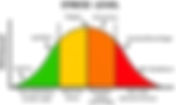
Let's say you have an important work deadline coming up, or an important meeting, or a job interview. You'll likely be a bit stressed about it, right? That's understandable - and useful! A reasonable amount of stress shows that we care about these critical tasks and can actually help us prepare better for them. However, every now and then, that stress gets out of hand...instead of encouraging us to be ready for the challenge, the stress mounts so high that it makes that challenge seem completely unattainable. In the early 1900s, psychology researchers Robert Yerkes and John Dodson developed an empirical curve that illustrates our performance levels on a task relative to the stress levels present in that situation, the "Yerkes-Dodson" law. It is easy to understand if you think about it in terms of a test at school. If there is no stress at all, we won't really prepare for the test, and might show up on the exam day without having done any studying. A good amount of worry and stress will encourage us to prepare for the test by reading the book chapters and doing the practice exercises, once...or maybe twice. An amount of stress beyond that might lead us to re-read all those chapters and re-do the practice exercises a few too many times, to the point where we may be too tired by the time the test comes along to get the best grades. And if we are really, really scared of the test, telling ourselves that it's way too difficult and we will never get a good grade on it, we may just throw our hands up in the air and not study for it at all. We may give up before we start, out of panic, exhaustion, and fear. So, some stress is good. Too little or too much may lead to subpar performance. The question is how to modulate the stress to get it to the level that is good for you. There are many answers there, ranging from relaxation exercises to worry break and mindfulness moments to reappraising the importance and threat of the situations ahead. In TEAM-CBT , we have some great tools that can help with all of those!
- CBT Operates Between Stimulus and Response
Viktor Frankl, the renowned Austrian psychiatrist and Holocaust survivor pictured here, once said, " Between stimulus and response there is a space. In that space is our power to choose our response. In our response lies our growth and our freedom." This profound statement encapsulates the essence of human resilience and the potential for personal transformation. It also underscores the core principles of Cognitive Behavioral Therapy (CBT) in creating that crucial space between stimulus and response. In everyday life, we often react impulsively to various stimuli—whether they are external events or internal thoughts and emotions. However, Frankl's wisdom suggests that we have the ability to pause and consider our responses. This pause is where we can find empowerment and personal growth. It's in this space that CBT plays a crucial role. CBT as a therapeutic approach helps individuals recognize and challenge their automatic thought patterns and emotional reactions. By identifying and modifying these cognitive and emotional responses, CBT assists in creating the vital gap between stimulus and response. Through guided introspection and cognitive restructuring, individuals can develop more adaptive and rational responses to challenging situations. The practice of CBT equips individuals with the skills to choose healthier responses, fostering emotional resilience and personal growth. It allows us to shift from being reactive to proactive, ultimately leading to a more balanced and fulfilled life. Viktor Frankl's insight remains a powerful reminder that we possess the capacity to shape our responses to life's challenges, and CBT provides a practical toolkit to help us do just that.
- A Bit about Positive Psychology
In evidence-based psychotherapy, we most often depart from the premise that the client is unwell. We diagnose disorders based on set lists of symptoms and tailor treatment to particular presenting concerns. The goal is to eradicate the illness and restore the client's functioning to its previous, higher level. But what if we didn't have to get unwell to begin with? There is a whole field of psychology focused on that: Positive Psychology. Positive psychologists spend their days studying how we can make ourselves feel better and prevent the down periods in life. Live Happy Magazine published a comprehensive summary of widely embraced ideas to help us all lead healthier emotional lives. While none of them are going to jump out as new and surprising, it is a god reminder to heed some age-old advice to live fully and sensibly. Positive Psychology recommends: Focus on the present, don't ruminate about the past Express gratitude often Use breathing and meditation to ward off excessive stress Be physically active Eat healthy Forgive Strive for good quality sleep Seek opportunities to laugh - a good, deep belly laugh! Practice self-compassion Balance work and play Slow down by doing things mindfully Savor small moments Easy, right?